From Burnout to Belonging
Why communities - and leaders - must make space for celebration

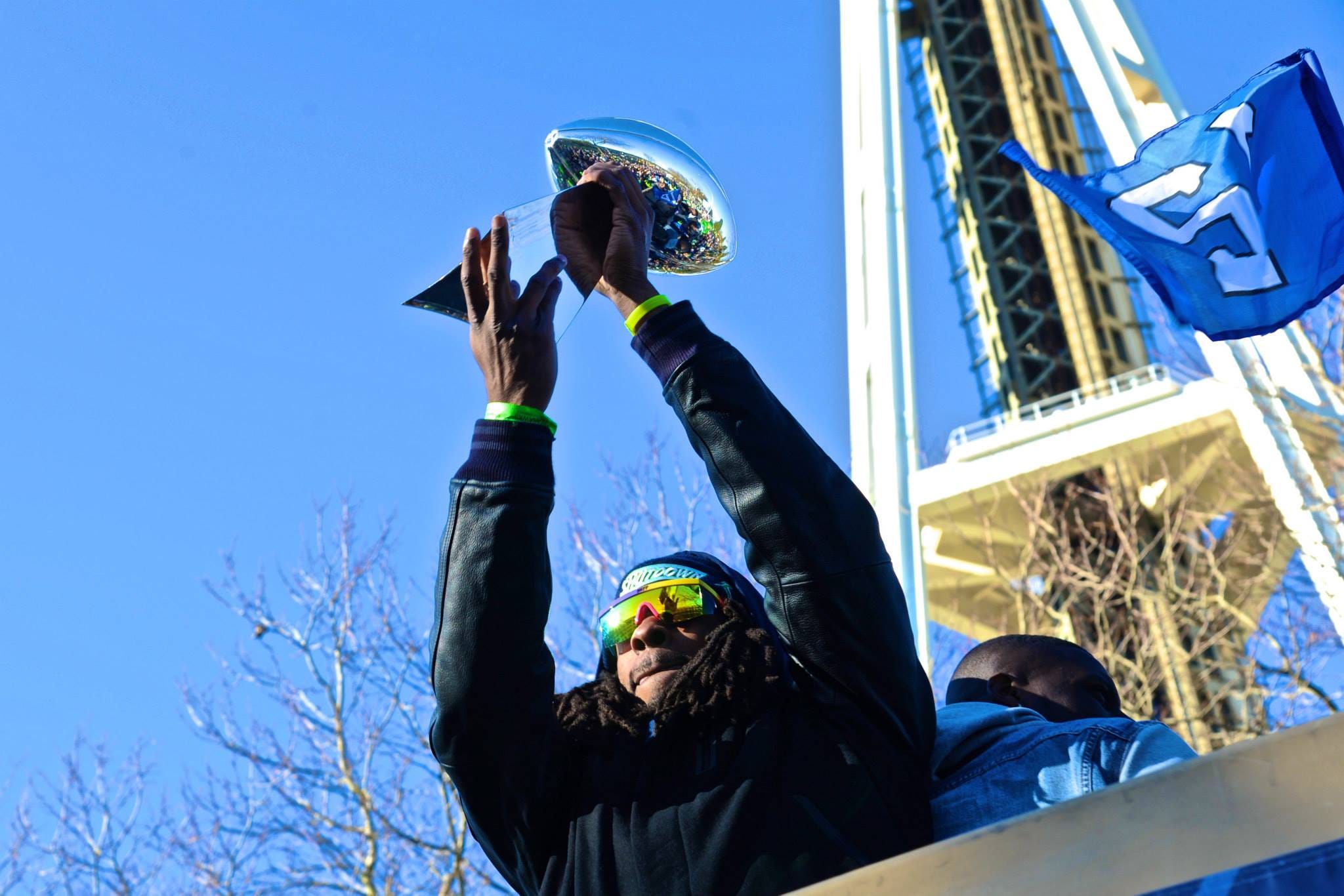
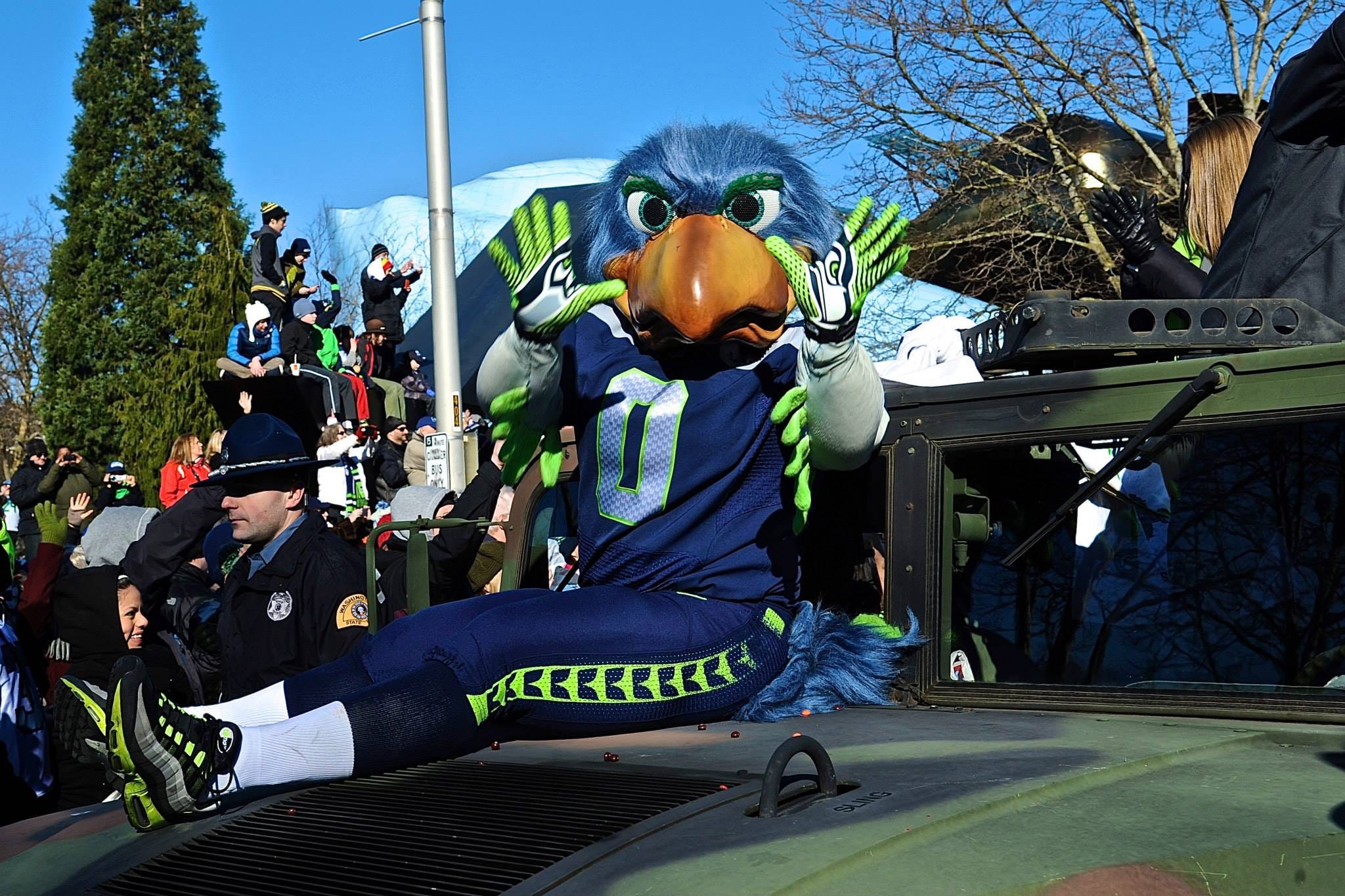
When I relocated to my adopted home of Seattle, the Seahawks were in the middle of a powerhouse season that would end with something the franchise had never done before: winning their first Super Bowl. Never one to follow football, but living walking distance from what was then CenturyLink Field, I was quickly converted. I became part of the “12th Man” - the fan community the Seahawks honor as their extra player on the field, whose collective noise and energy can literally shift the game. This was the era of Marshawn Lynch’s “Beast Mode,” Richard Sherman and the “Legion of Boom,” and the excitement and joy and pride as a Seattleite I felt in those stands or in front of my TV made it impossible not to be drawn in. These guys became “my” team, so proudly wearing my #25 jersey I went to the parade, and the feeling of esprit, elan, and connectedness was unlike anything I had ever experienced from a city before.
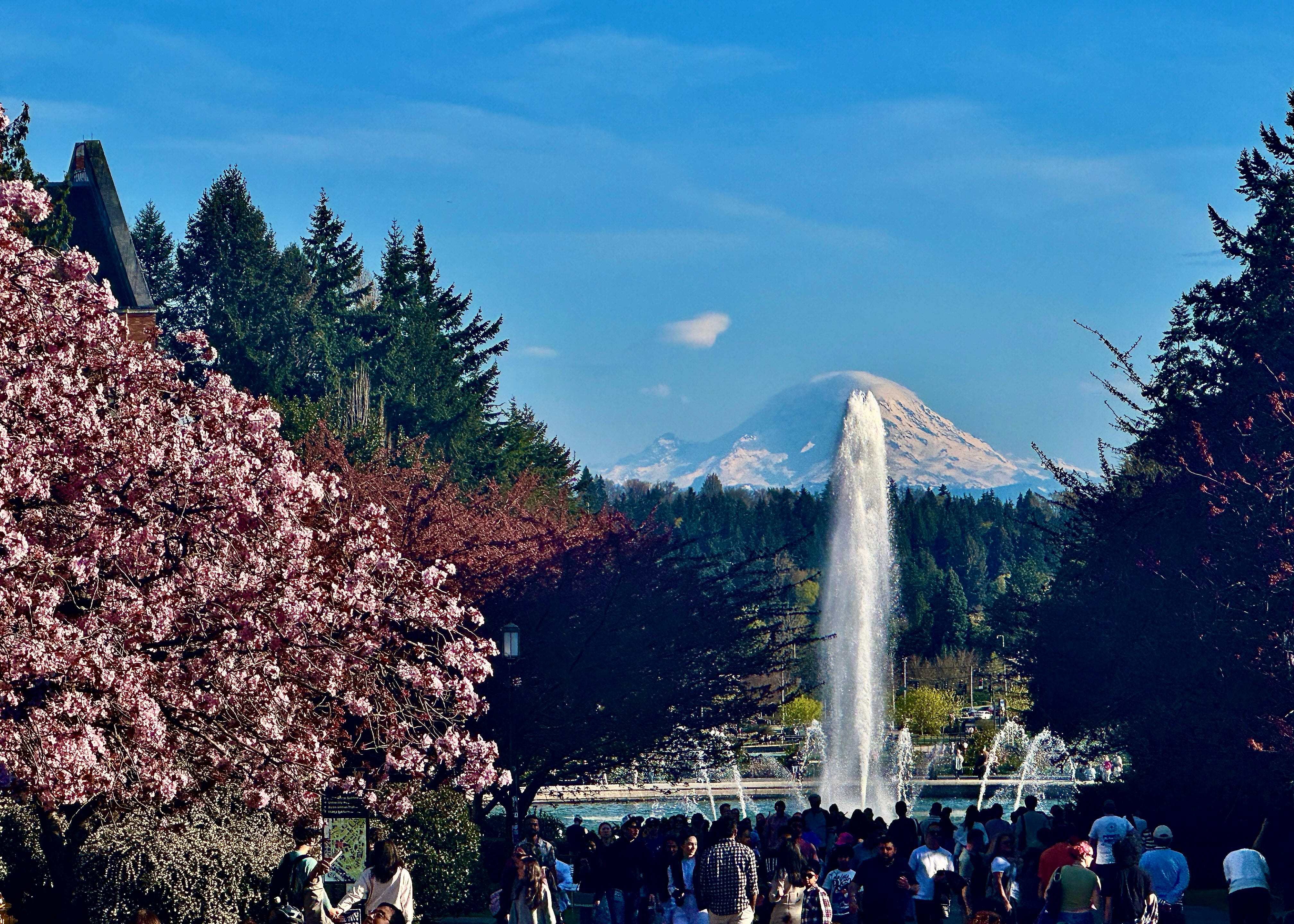
Last Spring I said goodbye to “my” mountain and my beloved Pacific Northwest. And this past Sunday I watched my team win its second Super Bowl from my new home far, far away from the glorious blues and greens of Puget Sound. My heart is still in Washington - it always will be - and now more than ever that parade feels less like “just sports” and more like a vital act of collective celebration, a reminder of what it feels like when a community breathes in sync.
We are living in a time when public life is dominated by protest, confrontation, and chronic outrage. Our feeds are filled with anger, our neighborhoods feel fragmented if not downright terrifying, and our nervous systems are carrying years of accumulated stress. In that context, a victory parade is not to be dismissed as something frivolous or trivial. When people line the streets in downtown Seattle wearing the same colors and shouting the same “SEA…HAWKS!” chants, something important happens in the brain and in the body: we get a break from hyper-vigilance and experience what neuroscience calls “co-regulation.”
Our muscles soften, and we remember what it feels like to be part of a safe unified “we” instead of an embattled binary “us” versus “them.”
From the perspectives of psychology and neuroscience, celebrations like this are powerful because they bundle several core components of our emotional health: shared positive emotion, a clear sense of belonging, and embodied in-person contact. When we celebrate together, our brains release a mix of dopamine, oxytocin, and endorphins that reinforce social bonds and create vivid protective memories. Those memories become buffers we draw on later in stressful environments - including while at work.
In organizations, we see the same patterns: teams that pause to acknowledge wins, mark milestones together, and genuinely enjoy each other’s company experience higher trust, increased psychological safety, and greater resilience in the face of conflict and change. That isn’t a nice-to-have, it’s one of the most effective ways to protect mental health, reduce burnout, and support better performance over time.
Yet in many workplaces, intensity is reserved for crises and deadlines, while celebration is treated as optional, something we will get to “if there’s time.” Both science along with Jim’s and my years coaching teams point in the opposite direction. Intentional, shared moments of joy are one of the most efficient ways to reset an overloaded nervous system and strengthen the social fabric that allows people to embark upon difficult, complex work together.
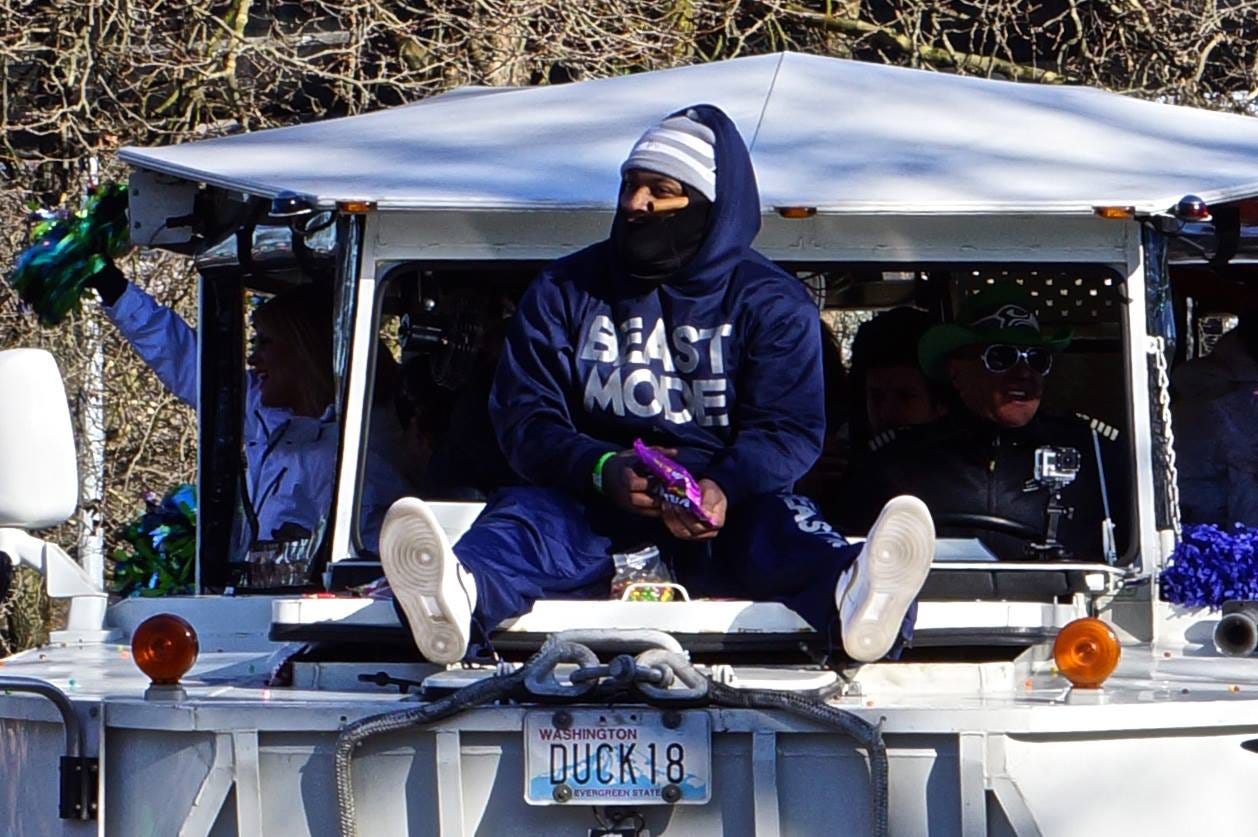
A parade in the streets and a thoughtful celebration at work are different expressions of the same human need: to feel that our efforts matter. That we matter to one another, and that our collective story contains joy as well as struggle. And when leaders normalize celebration of wins - large or small - they aren’t taking time away from the work but rather, they’re investing in the very conditions that make meaningful work possible and sustainable.
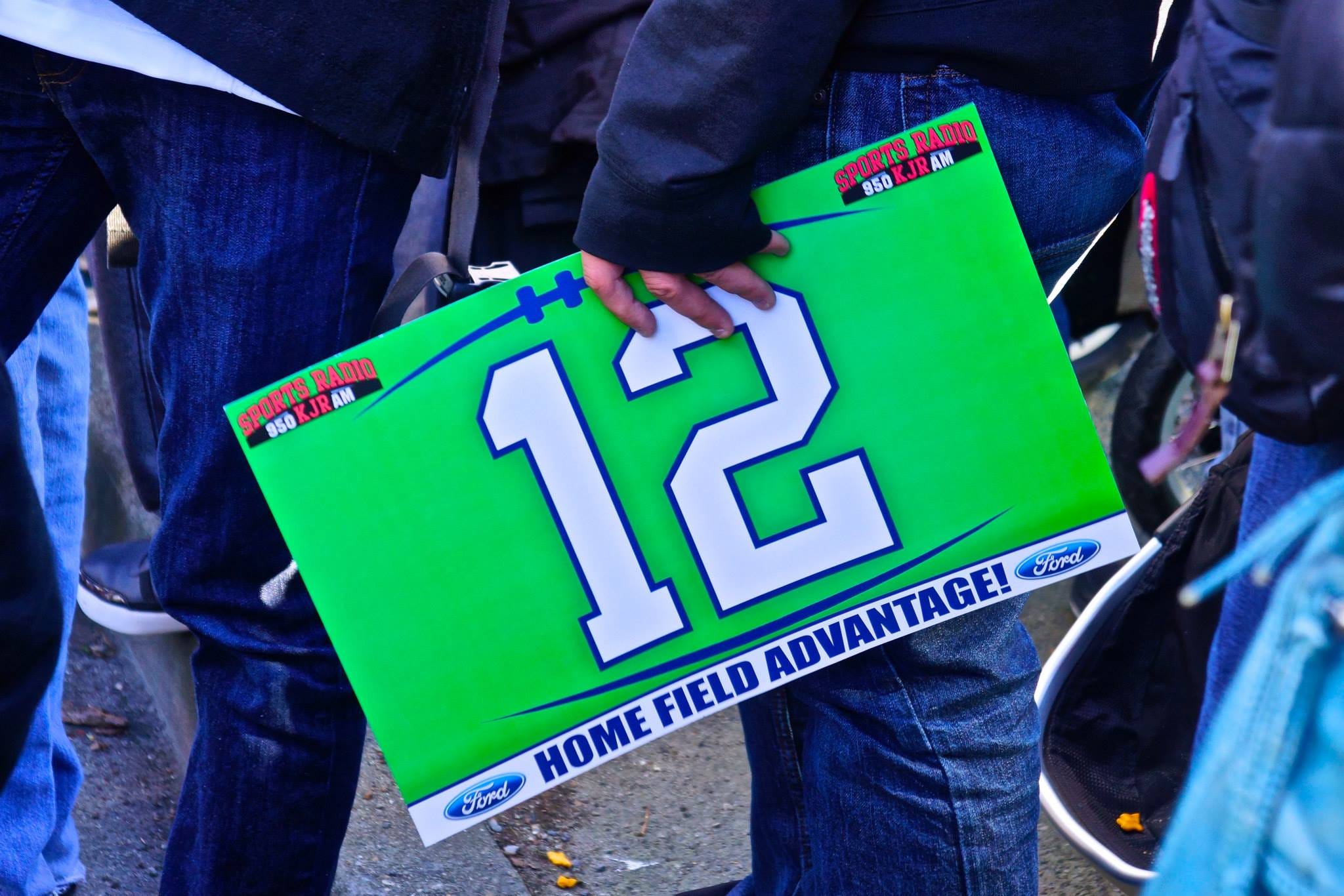
So to my fellow 12s: you are a huge part of why that feeling has stayed with me these past 13 years. The roar of the crowd, the boom of the marching band, the homemade signs, the spontaneous high-fives and hugs from total strangers - being part of the 12th man transformed a football game into a living, breathing community. And a special shout out to my friend Håkan, Sweden’s number one 12th man, who reminds me that the sense of belonging reaches far beyond any one city or country. So if you’re in Washington and have the chance to go to the parade - go to the parade. Go for me and Håkan. Stand with your neighbors, let yourself feel silly and loud and happy. And if you’re not a 12, look for your own moment to gather and celebrate - a project wrapped up, a problem solved, a season turning. Even in a fear-ravaged, deeply divided United States, choosing to show up for shared joy is not escapism. It’s a deliberate, neurologically-wise act of care for ourselves, our workplaces, and our communities.
If your team is running on fumes and you want systems that support both delivery and human beings, reach out. This is the work we love to do at Modus: building collaborative, humane, visual ways of working that align with how brains function under pressure, so performance and well-being stop being a trade-off.
Because in times like these, building smarter systems for shared joy and sane, sustainable work isn’t a perk for your team, it’s a responsibility of leadership.
With heartfelt gratitude to Amanda and the extraordinary team at Servants Community Housing for inspiring this post. The work they do everyday - creating safe, dignified communities for people at risk of homelessness - is exactly the kind of quiet, essential service that deeply deserves more moments of shared celebration. 🙏🏼